The Basics of Used Car Wholesale Pricing

Understanding Wholesale Pricing Structures
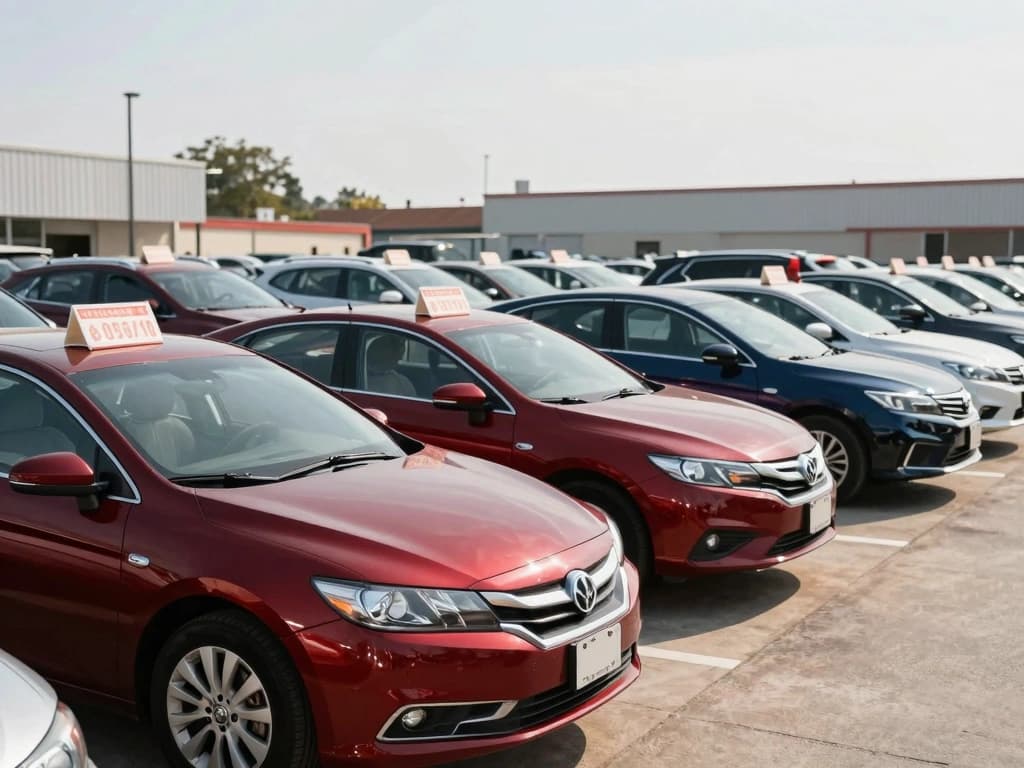
Wholesale pricing in the used car market refers to the price at which dealerships purchase vehicles from wholesalers, auctions, or other dealerships before they are marked up for retail sale. This price is critical as it serves as the baseline for what dealerships can charge when selling the cars to consumers. Typically, the wholesale price is significantly lower than the retail price, allowing dealerships to make a profit through markups.
Wholesale pricing structures can vary widely based on the vehicle’s condition, age, make, model, and market demand. For instance, a 2020 Honda Accord with low mileage may fetch a higher wholesale price compared to a 2015 model with substantial wear and tear. Understanding these structures helps dealerships set competitive retail prices while ensuring they maintain healthy profit margins.
Factors Influencing Wholesale Prices
Several factors influence the wholesale pricing of used cars, including:
- Vehicle History: A car's maintenance records, accident history, and number of previous owners can significantly affect its wholesale price.
- Market Trends: Current trends in the automotive industry, like the popularity of SUVs over sedans, can drive up or down wholesale prices.
- Seasonality: Certain times of the year, like spring and summer, may see higher prices due to increased consumer demand.
- Condition and Mileage: Lower mileage and better condition typically yield higher wholesale prices, as they suggest less wear and tear.
The Role of Auctions in Pricing
A significant portion of wholesale transactions occurs at auto auctions, where dealerships buy used vehicles in bulk. Auctions can significantly influence wholesale prices based on bidding dynamics and the number of interested buyers. For instance, if a desirable vehicle—such as a late-model truck—is up for auction, competitive bidding can drive the wholesale price higher than expected. Conversely, if there are many similar vehicles available, prices may drop due to oversupply.
Dealerships often attend these auctions with a clear understanding of the wholesale price ranges for specific makes and models, utilizing tools like the NADA Guides or Kelley Blue Book valuations to inform their bidding strategies.
Retail Markup Strategies in the Used Car Market
Standard Markup Practices
Once dealerships acquire vehicles at wholesale prices, they must decide on retail markups. Standard markup practices typically range from 10% to 20% above wholesale prices, although this can vary based on the vehicle and market conditions. For example, if a dealership purchases a used vehicle for $15,000, a 15% markup would set the retail price at approximately $17,250.
Dealerships also consider additional costs—such as reconditioning, advertising, and overhead—when determining final retail pricing, which can increase the markup percentage. For instance, if reconditioning a vehicle costs an additional $1,000, the retail price might be adjusted accordingly, leading to a higher markup to cover these expenses.
Impact of Market Demand on Markup Rates
Market demand plays a crucial role in shaping retail markup rates. In a seller’s market, where demand exceeds supply, dealerships may increase markups significantly. For instance, during the COVID-19 pandemic, used car prices soared due to supply chain disruptions affecting new car production. Dealerships were able to mark up prices by as much as 30% or more in certain cases.
On the other hand, in a buyer’s market—characterized by higher supply and lower demand—dealerships may need to reduce markups or even offer discounts to attract buyers. An example of this was seen during the 2008 financial crisis when many dealerships slashed prices to move inventory, resulting in reduced markups across the industry.
Regional Variations in Retail Markups
Retail markups can also vary significantly by region. In urban areas with higher population densities, dealerships may achieve higher markups due to increased competition and demand. For instance, a used luxury SUV in New York City may have a retail markup of 25% due to high demand, whereas the same vehicle in a rural area may only see a 15% markup due to lower demand.
Additionally, regional economic factors, such as average income levels and local employment rates, can influence how much consumers are willing to pay, thereby affecting markup strategies. In affluent areas, dealerships might find success with higher markups, while in less affluent regions, more competitive pricing might be necessary.
The Relationship Between Wholesale Prices and Retail Markups
How Wholesale Costs Affect Pricing Decisions
The relationship between wholesale prices and retail markups is straightforward yet intricate. Dealerships must carefully analyze their wholesale costs to establish retail prices that will attract buyers while still ensuring profitability. If a dealership buys a vehicle at a higher wholesale price due to increased demand at auctions, they may be compelled to raise their retail price to maintain margins.
For example, if a dealership acquires a used Toyota Corolla for $18,000 due to competitive bidding at an auction, they may set the retail price at $21,600, reflecting a 20% markup. If they had purchased the same vehicle for $15,000, the retail price might only be $18,000 with the same markup percentage, illustrating how wholesale costs directly influence retail pricing decisions.
Margin Considerations for Dealerships
Profit margins are a critical consideration for dealerships when determining retail markups. Generally, dealerships aim for a gross profit margin of around 10% to 15% on used cars. However, if wholesale prices rise significantly, they may need to adjust their markup strategies to maintain these margins.
For example, if a dealership has a standard markup of 20% on vehicles purchased at $15,000, they would expect to sell the car for $18,000. However, if the wholesale price increases to $18,000, the dealership might find themselves in a position where they either need to raise the retail price to $21,600 (20% markup) or accept a lower margin if they keep the price at $20,000 to remain competitive.
Price Fluctuations and Their Impact on Retail
Price fluctuations in the used car market can have a profound impact on retail markups. Fluctuations can arise from various factors, including economic conditions, seasonal demand, and changes in consumer preferences. Dealerships must stay vigilant and responsive to these changes to adjust their pricing strategies effectively.
For instance, if a sudden influx of used vehicles hits the market, perhaps due to consumers trading in vehicles for new models, wholesale prices may drop. This drop can lead dealerships to lower retail prices and markups to stimulate sales. Conversely, if a natural disaster causes supply chain interruptions, wholesale prices may spike, allowing dealerships to increase their retail prices and markups accordingly.
Analyzing the Influence of Economic Factors
Effects of Supply Chain Disruptions on Prices
Supply chain disruptions have a direct correlation with wholesale prices in the used car market. Events such as the COVID-19 pandemic severely impacted new car production, leading to a shortage of vehicles available for trade-ins and auctions. Consequently, this lack of supply drove up wholesale prices for used cars, which in turn affected retail markups.
As an example, during the pandemic, many dealerships reported wholesale price increases of 15% or more, which prompted them to adjust retail prices to reflect these changes. Dealerships that were not proactive in updating their pricing struggled to sell inventory, emphasizing the necessity for agile pricing strategies in response to supply chain fluctuations.
Inflation and Its Impact on Used Car Pricing
Inflation is another key economic factor influencing wholesale and retail pricing in the used car market. As the cost of living rises, so does the cost of goods and services, including vehicles. Inflation can lead to increased wholesale prices, as sellers need to cover their costs, which, in turn, necessitates higher retail prices.
For instance, if inflation rates reach 5%, dealerships may find that the wholesale prices of used cars rise similarly. To maintain profitability, they may raise retail prices, which can lead to decreased sales if consumers are unwilling to pay the inflated prices. The dynamic interplay between inflation, wholesale prices, and retail markups highlights the need for dealerships to be strategic in their pricing approaches during inflationary periods.
The Role of Consumer Confidence in Pricing Strategies
Consumer confidence significantly influences the used car market and can dictate pricing strategies for both wholesale and retail. When consumer confidence is high, buyers are more willing to spend, allowing dealerships to maintain higher retail markups. Conversely, low consumer confidence can lead to hesitance in spending, prompting dealerships to lower prices and markups to stimulate sales.
For example, during periods of economic uncertainty, such as the onset of the COVID-19 pandemic, dealerships experienced a decline in consumer confidence, leading to reduced demand for used vehicles. As a result, many dealerships were forced to lower their retail prices to attract buyers, which in turn affected wholesale prices at auctions.
Future Trends in Used Car Pricing and Markup
Technological Innovations in Pricing Models
The future of used car pricing and retail markups is likely to be shaped by technological innovations. Data analytics and artificial intelligence (AI) are increasingly being utilized to predict market trends and optimize pricing strategies. Dealerships can leverage these technologies to analyze historical sales data, consumer behavior, and current market conditions to better inform their pricing decisions.
For example, platforms that use machine learning algorithms can provide real-time data on wholesale prices, allowing dealerships to make more informed decisions on retail markups. This could lead to more dynamic pricing strategies that adapt quickly to changing market conditions, enhancing profitability.
Predictions for Wholesale Price Trends
Looking ahead, wholesale prices are expected to continue fluctuating based on various market factors, including economic recovery, changes in consumer preferences, and supply chain stability. Analysts predict that as new car production stabilizes post-pandemic, the supply of used vehicles may increase, potentially leading to a decrease in wholesale prices.
However, if demand for used cars remains high, especially with ongoing economic uncertainties, wholesale prices may still experience upward pressure. Dealerships will need to stay attuned to these trends to adjust their retail markups accordingly, ensuring they remain competitive in a changing market landscape.
Potential Changes in Retail Markup Practices
As the used car market evolves, retail markup practices may also undergo significant changes. With the rise of online car sales and direct-to-consumer models, dealerships may need to rethink traditional markup strategies. Increased transparency in pricing and competition from online platforms could push dealerships to lower markups to attract buyers.
Additionally, as consumers become more knowledgeable about pricing due to access to information online, dealerships may need to justify higher markups with added value, such as enhanced warranties or customer service. This evolution in retail markup strategies will require dealerships to adapt their business models and pricing strategies to stay competitive and meet consumer expectations.